
History Green yard Feda
Green Yard Feda As was founded in 2018 by taking over the ship yard facilites from former Kvina Verft and Flekkefjord Slip at Angholmen in Kvinesdal. At this location there has been industry activity since 1916, and the area have long traditions for shipyards and maritime industry.
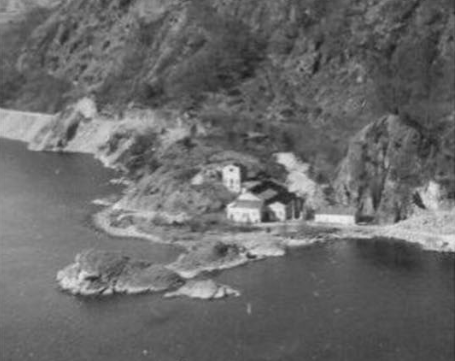
The Angholmen area covers a total of 80 decares and was originally used as a shared summer pasture for livestock belonging to local farmers in Feda. This continued until the first industrial activity was established in the area. Kvina Carbide and Smelting Works was established in 1916 with the aim of producing calcium carbide in electric smelting furnaces.
The facility never properly came into operation, both due to a declining market after the end of World War I and because of problems with the power supply.
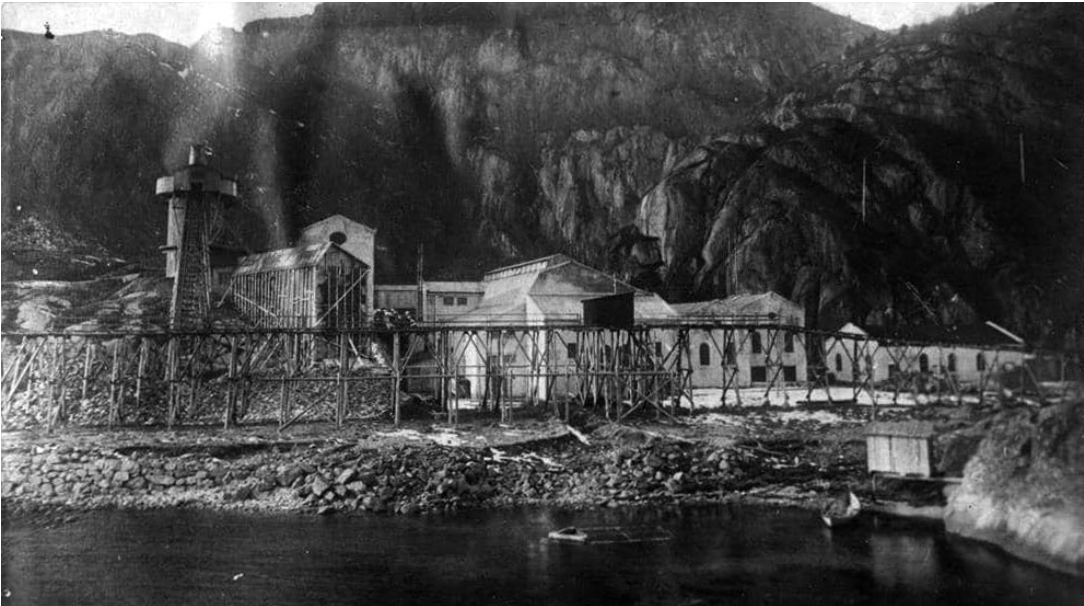
In 1947, they began cultivating edible mushrooms (champignons) in straw beds within the remaining buildings from the smelting works. The idea was to sell the mushrooms to fine restaurants in Oslo, but due to the long transport distance, the quality of the mushrooms deteriorated, and the business venture was not successful. Mushroom cultivation was discontinued in 1949.
Some of the buildings, however, remained standing until the early 1960s.

The building was removed in connection with the construction of the new national road along the fjord—National Road 40 (Rv40), which began in the early 1960s. In 1964, Kvinesdal municipality purchased the entire Angholmen area for 110,000 kroner. In 1965, Kvina Shipyard was established at Angholmen, marking the beginning of its transformation into the modern industrial area it is today.
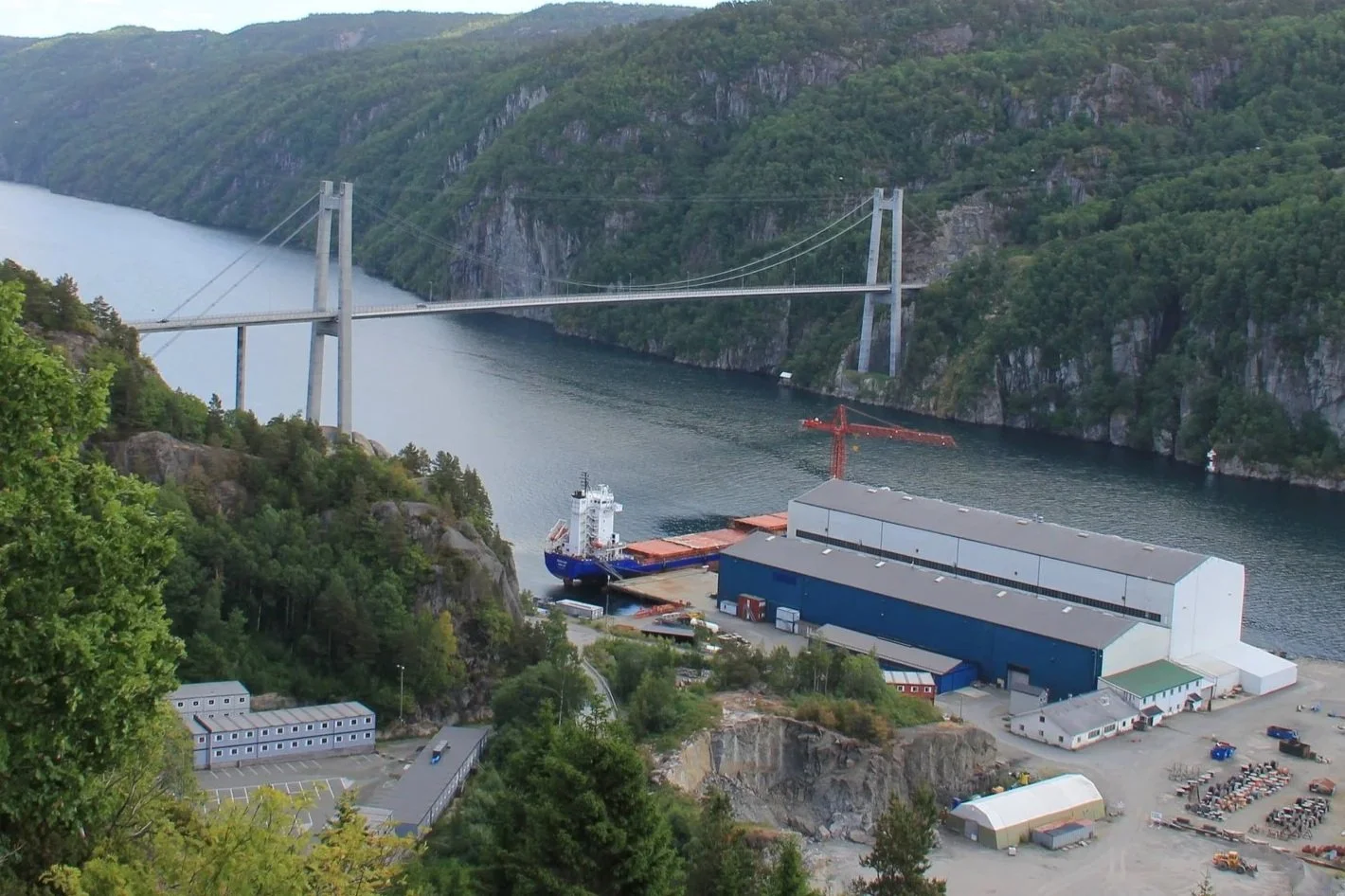
The Fedafjord Bridge on the E39 was opened in 2006 and runs right past the shipyard. Many people use it as a reference point when referring to Green Yard Feda as the shipyard.
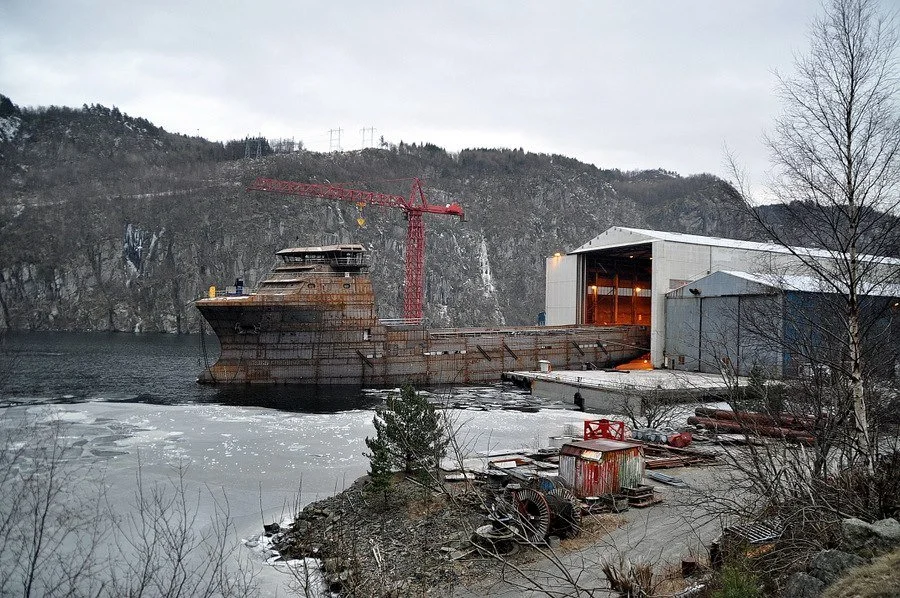
More than 100 new built ships are delivered from the yard by Kvina Verft and Flekkefjord Slip.
Some of the ships was delivered in cooperation with the other former shipyard in Flekkefjord, Simek.